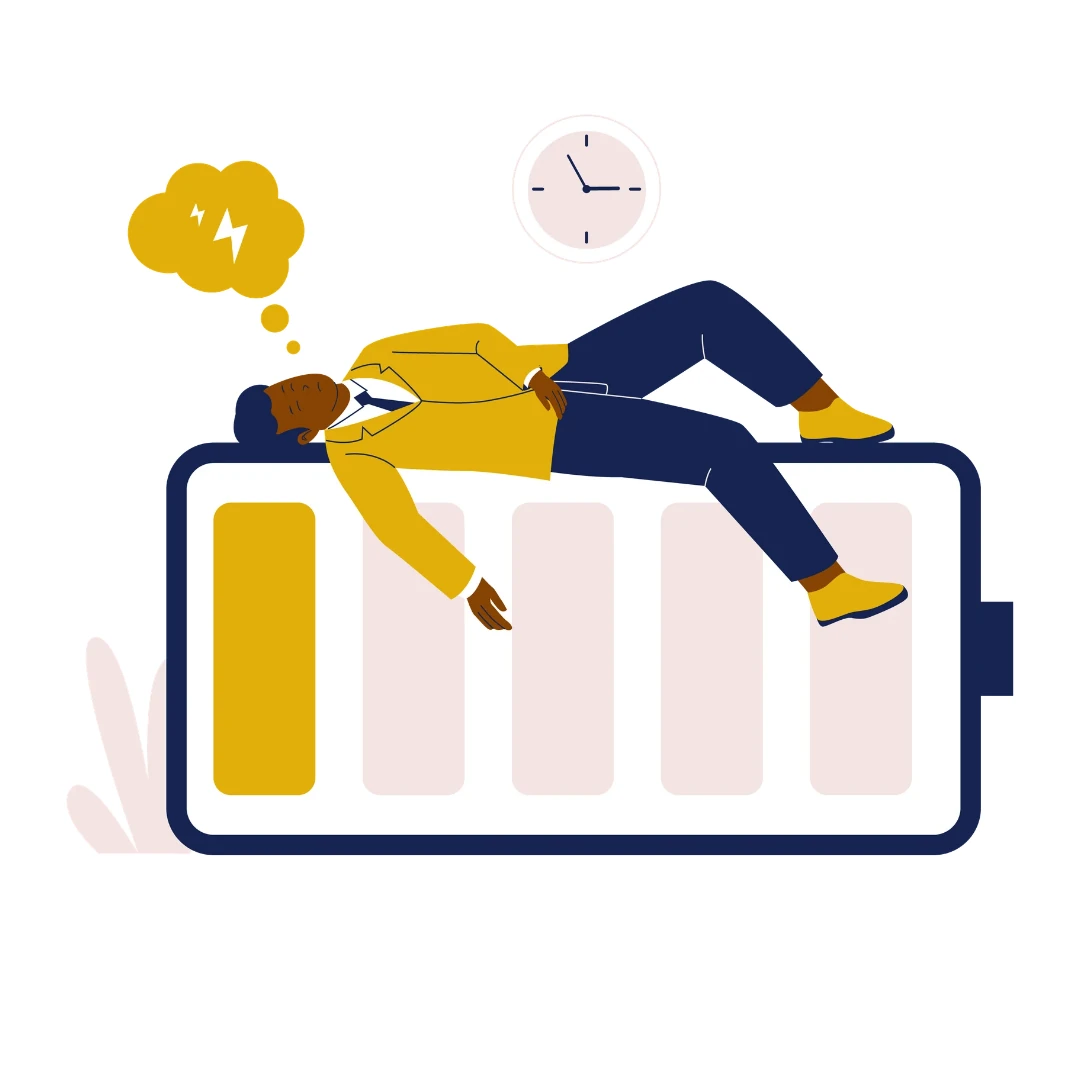
Just as women go through menopause, men go through andropause.
What Is Andropause?
Andropause, sometimes called “male menopause,” is the gradual decline in testosterone that men experience with age.
Unlike menopause, it’s not a single event. Testosterone drops slowly — about 1–2% per year — starting around age 30–40.
Common Signs
- Physical Changes — Reduced muscle mass, increased belly fat, lower energy, sleep disturbances, decreased stamina.
- Emotional & Mental Shifts — Irritability, low mood, reduced motivation, brain fog, anxiety, loss of confidence.
- Sexual Health Changes — Lower libido, erectile changes, reduced morning erections, less satisfaction.
Why It’s Overlooked
It’s a gradual process because it happens slowly, many men normalize symptoms as “just aging” or “stress.”
It’s rarely discussed as there’s little cultural conversation around male hormone health compared to menopause.
Symptoms overlap — Fatigue, weight gain, and mood shifts get blamed on work, lifestyle, or age alone.
What Happens During Andropause
- Hormonal Shift
Testosterone isn’t the only hormone involved. Cortisol, thyroid, and DHEA also play a role in energy, mood, and drive.
- Body Impact
Bone density may decrease. Cardiovascular and metabolic health need more attention. Recovery from exercise slows.
- Identity Impact
Many men experience a sense of loss around strength, drive, or purpose — which affects self-esteem and relationships.
This Is a Biological Transition, Not a Breakdown
Andropause is a natural phase of male aging. With awareness, lifestyle shifts, and support, men can maintain vitality, strength, and mental clarity for decades.
At Wise Ttalks, we offer therapy sessions for men navigating andropause by using evidence-based tools to rebuild energy, emotional steadiness, and confidence in this new chapter.