
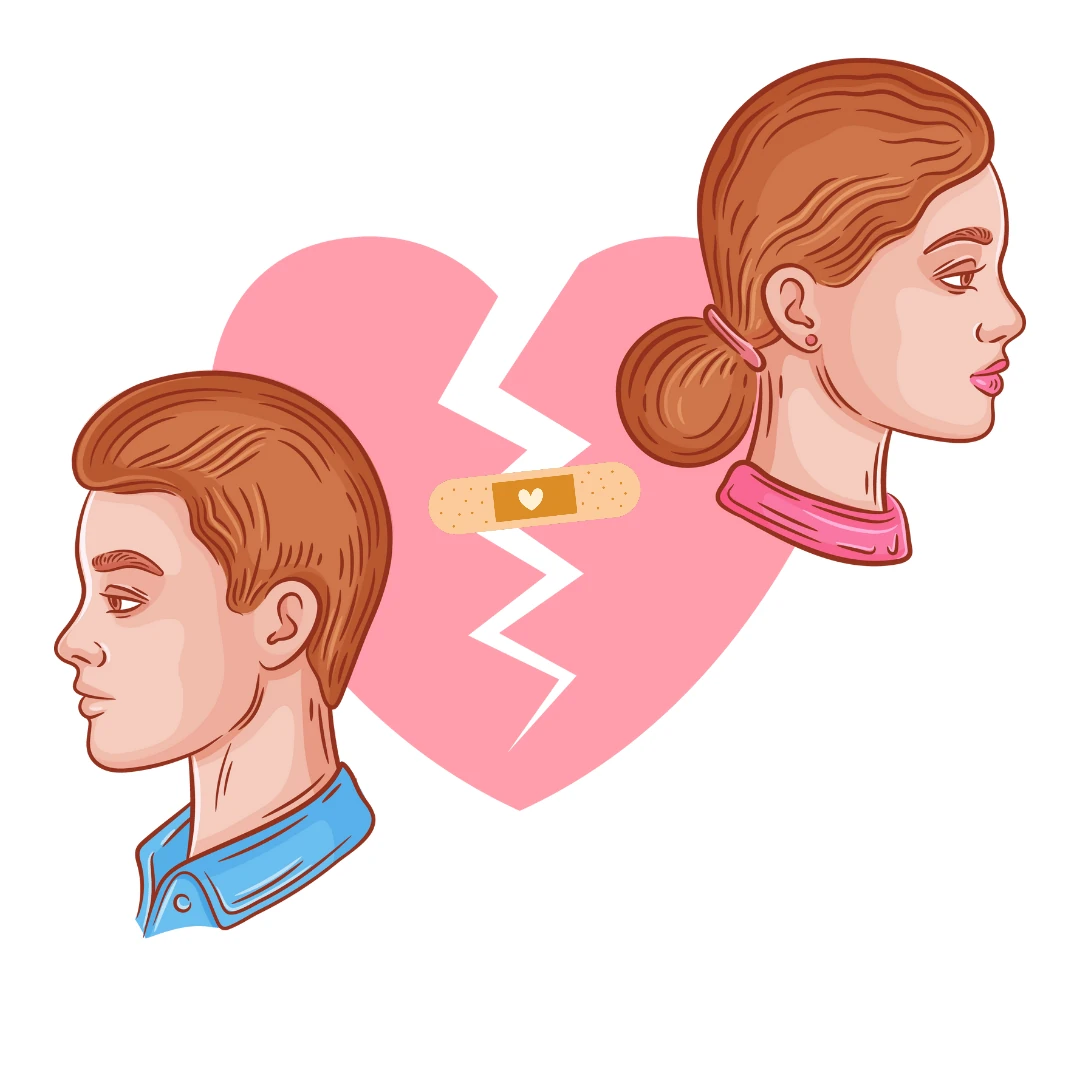
How Cheating Impacts the Mental Health of the Spouse Who Was Betrayed and What Infidelity Does to the Mind & Body
Being cheated on isn’t just emotional pain. It’s a nervous system shock. Many betrayed spouses describe it as trauma, and research backs that up.
Common Mental Health Effects
- Trauma Response — Intrusive thoughts, flashbacks, hypervigilance, nightmares. The brain treats betrayal like a threat to survival.
- Anxiety & Panic — Constant scanning for more lies. Trouble sleeping. Heart racing when a phone buzzes. The body stays in “fight or flight.”
- Depression & Grief — Loss of the relationship you thought you had. Numbness, hopelessness, crying spells, loss of appetite or interest.
- Shattered Self-Worth — “Was I not enough?” Self-blame, body shame, comparing yourself to the other person, sudden insecurity.
- Obsessive Thinking — Replaying details, checking phones, needing timelines. The mind tries to make sense of the senseless.
- Physical Symptoms — Headaches, gut issues, fatigue, autoimmune flare-ups. Chronic stress from betrayal lives in the body.
Why Does It Hits so hard ? well the person who is betrayed, breaks from within.
- Attachment Injury — Your safest person became unsafe. That breaks core trust circuits in the brain.
- Reality Collapse — The past gets rewritten. “What else was a lie?” Gaslighting, even unintentional, creates confusion and self-doubt.
- Identity Shake-Up — Roles of “husband,” “wife,” “family” suddenly feel unstable. The future you planned disappears overnight.
Can Trust Be Rebuilt? Well there is actually no answer to this.
Sometimes, yes — but it’s not automatic.
Trust rebuilds through transparency, accountability, and time. The spouse who cheated must own the harm without defensiveness. The betrayed spouse gets to decide the pace. Some couples rebuild stronger. Others choose to separate. Both are valid.
What helps:
Naming it as trauma, not “overreacting”
Individual therapy to stabilize your nervous system
Couples therapy only when safety and honesty are established
Boundaries around triggers, phones, and check-ins
Grieving the old relationship before building a new one — even with the same person
Healing Isn’t Forgetting. It’s Reclaiming.