
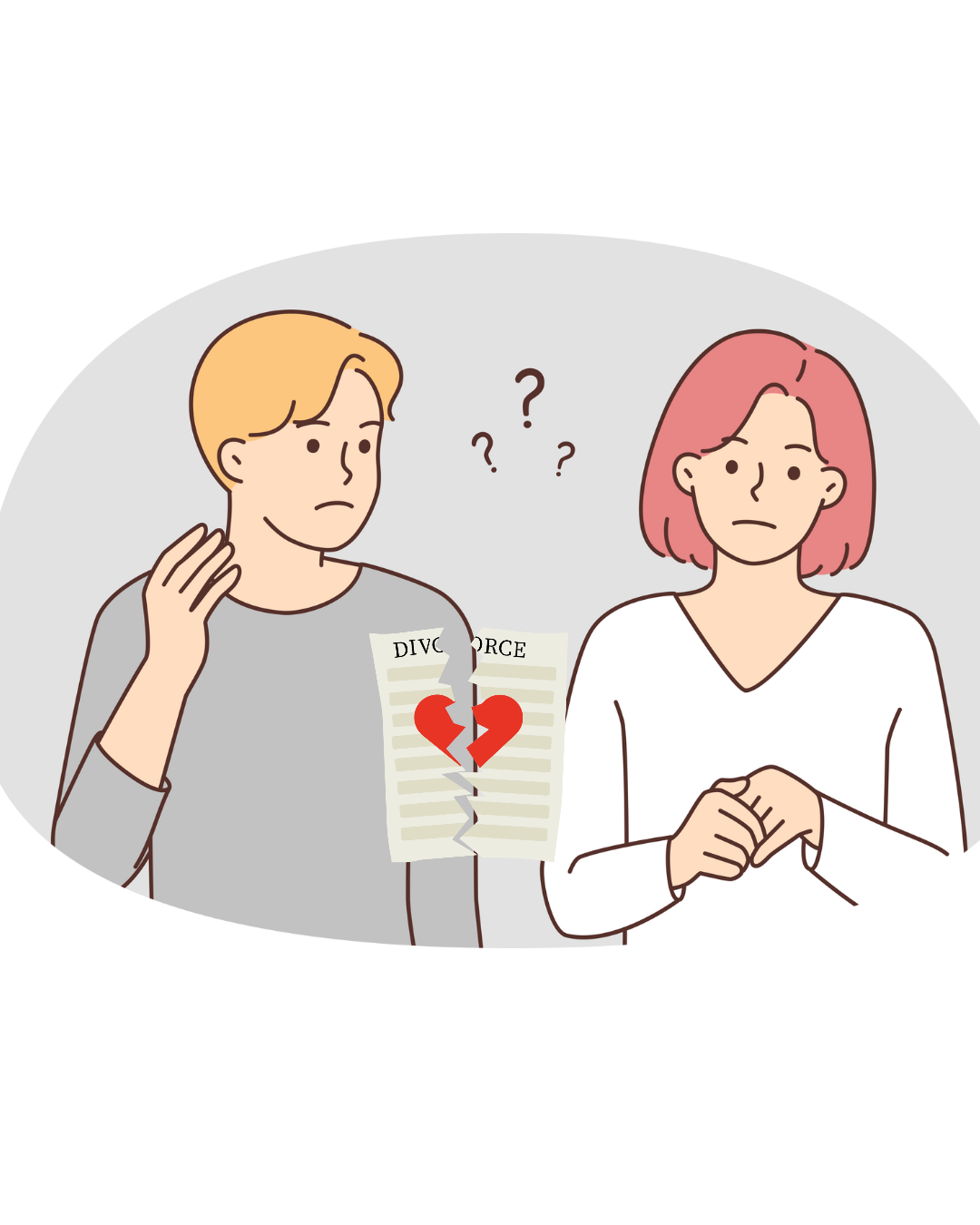
We often think of the end of a marriage as a series of explosive events—shouted arguments, slammed doors, and visible upheaval. But in my practice, I often encounter a far more haunting reality: the Silent Divorce.
A silent divorce isn’t a legal filing; it is an emotional exit. It is the moment two people stop being partners and start being roommates, living parallel lives under the same roof while the bridge between them slowly crumbles into the sea.
What is a Silent Divorce?
A silent divorce occurs when a couple gives up on conflict. While it may look peaceful on the surface, it is the peace of a graveyard. The passion is gone, but so is the anger. In its place is a chilling indifference.
You might be experiencing a silent divorce if:
- The “Roommate Syndrome” sets in: You discuss the logistics of the household—bills, groceries, school schedules—but never your inner worlds.
- Conflict has ceased: You no longer argue because you no longer believe that arguing will change anything.
- The “Third Entity” becomes the focus: The marriage is held together solely by a child, a business, or a shared social image.
- A World of Secrets: You find yourself sharing your triumphs and sorrows with friends, colleagues, or even strangers before you ever think of telling your spouse.
The Invisible Toll on the Family
In my clinical work, I see the long-term “baggage” carried by children who grew up in homes of silent divorce. These children often become “mediators.” Because their parents cannot communicate, the child steps into the gap, trying to bridge the emotional distance.
As adults, these children often suffer from generalized anxiety and a paralyzing fear of conflict. They learned early on that silence is “safe,” but they also learned that love is fragile and requires constant, exhausting maintenance.
Is There a Way Back?
Healing a silent divorce requires more than just “talking.” It requires a dismantling of the walls built over years.
Healing a silent divorce requires more than just “talking.” It requires a dismantling of the walls built over years.
- Acknowledge the Void: The first step is honesty. Admitting that “we are lonely together” is the only way to begin.
- Rebuild the “Map”: Often, partners have stopped updating their knowledge of each other. Who are you today? What are your fears now?
- The Ritual of Reconnection: In our “Wise Rituals,” we focus on small, grounded acts of intimacy—five minutes of uninterrupted eye contact or a shared breathing exercise to co-regulate the nervous system.
A Final Thought
If you are living in a silent divorce, know that the anxiety you feel is a natural response to emotional starvation. You are not “useless” or “purposeless”; you are simply living in a vacuum of connection.
The journey back to yourself—and perhaps back to each other—begins when you decide that silence is no longer enough.